
Air Conditioning
Installation & Repair
in London & Essex
Plan cooling around the rooms, access and daily use of your property, or describe a system that no longer performs properly. Start with a clear scope so equipment choice and fault assessment are based on the actual space, not a generic unit recommendation.
Since 2012
Established local firm
7am – 6pm
Mon–Sat · Closed Sundays
Checkatrade
Read our profile and reviews
What the service involves
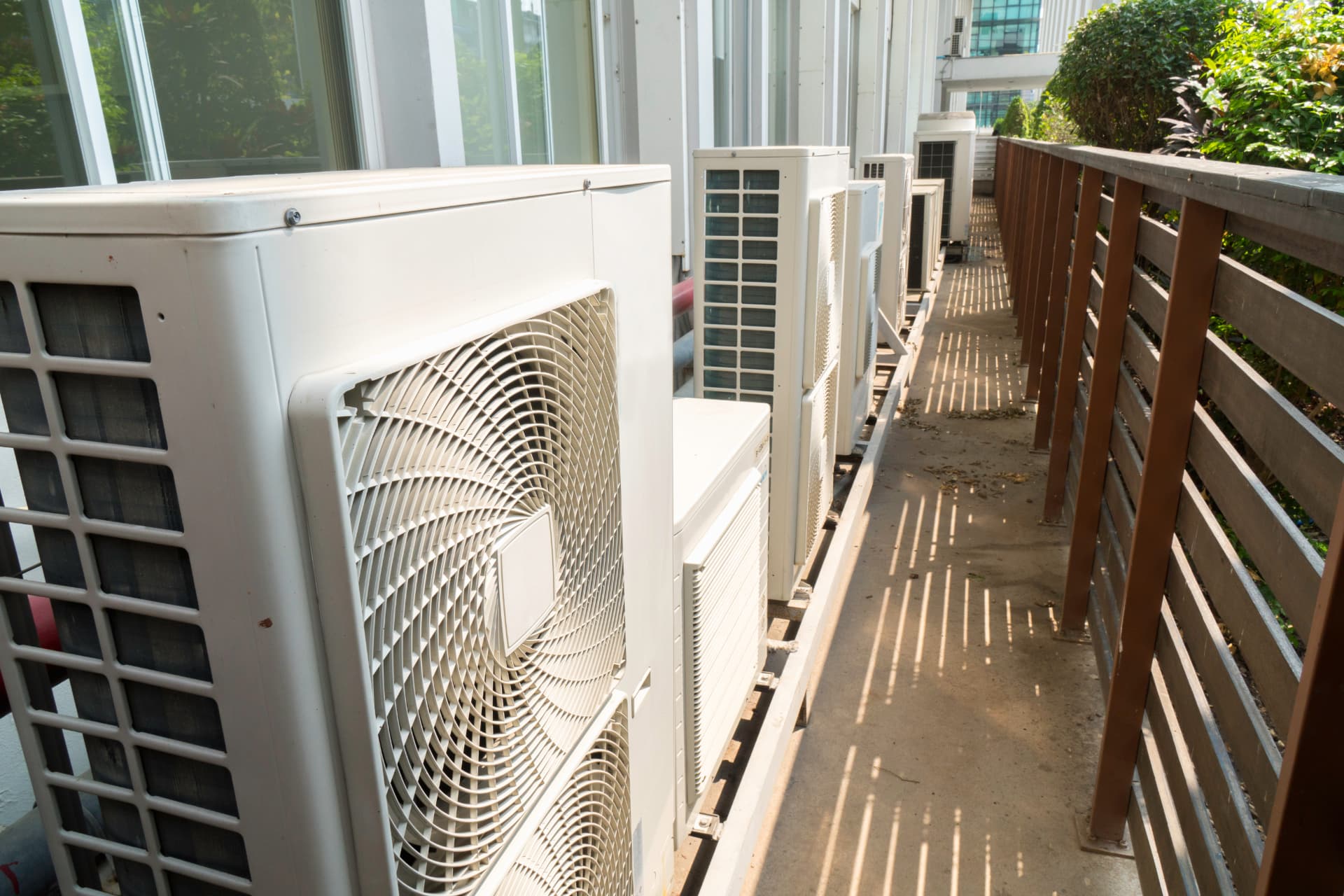
Air conditioning transfers heat to provide cooling in an indoor space. Some systems can also provide heating, but the suitable equipment and controls depend on the application. A residential bedroom, home office and commercial room can have different occupancy patterns and heat gains. Installation needs to consider the indoor and outdoor units, connecting routes, drainage, electrical requirements and access for future maintenance as one complete arrangement.
Installation enquiries may come from homeowners dealing with summer overheating or premises needing controlled conditions during occupied hours. A room's floor area is not the only sizing factor: glazing, solar exposure, insulation, occupancy and equipment can affect demand. Tell us which spaces matter, when they are used and whether heating is also required. The proposal should explain why the selected configuration fits those conditions rather than simply offer the largest available unit.
Repair enquiries need different information. Tell us the system make, model, affected rooms, displayed codes and whether the problem involves weak cooling, noise, leakage or controls. Tasks involving regulated refrigerants may require appropriately certified personnel and company certification, depending on the equipment and work. Gas Safe registration relates to gas work and is not proof of air-conditioning refrigerant competence; ask for the qualifications relevant to your proposed job. If the system was installed recently, also check the supplier or manufacturer support process before arranging paid repairs. Existing cover may have an authorisation route, and the original installation details can help identify the equipment, configuration and maintenance history needed for a useful assessment.
Problems worth addressing before they escalate
Incorrect sizing can compromise comfort
An installation chosen from floor area alone may overlook solar gains, equipment heat or room-use patterns. Oversimplifying those factors can produce unsuitable operation or disappointing temperature control. Describe the actual room and daily conditions before equipment is specified. Advertised capacity is not a promise of identical comfort in every property or during every outdoor condition.
Siting and drainage deserve early attention
Indoor placement, outdoor airflow, pipe routes and condensate drainage influence installation practicality. A poor route can create avoidable visual or access issues, and a drainage problem can show up as unwanted water indoors. Permissions may matter in leasehold or managed properties. Resolve those questions before treating a preferred wall location as an agreed installation.
Do not open refrigerant or electrical equipment
A fault code, leak or unusual noise does not justify DIY work inside the system. Record the symptom and consult the user manual for permitted checks, but leave internal diagnosis and regulated refrigerant tasks to appropriately qualified people. If water reaches electrical equipment or another immediate hazard is present, keep clear and seek suitable assistance.
From enquiry to completion
Describe the rooms or existing fault
Provide the postcode, room use, approximate layout and desired cooling or heating outcome. For repairs, include the equipment details and symptom history. Explain whether the property is residential or commercial and identify the person who can authorise work. These details help define the enquiry before a survey or appointment is discussed.
Assess demand, routes and permissions
Installation assessment should consider room conditions, indoor and outdoor positions, connection routes, drainage, electrical needs and service access. Check landlord, leasehold or building-management permissions where relevant. Repair assessment instead focuses on the reported fault and existing arrangement, including possible issues beyond the appliance itself.
Agree equipment and specialist responsibilities
A clear scope identifies the system configuration, rooms served, controls, installation routes and supporting work. Ask which qualifications apply to refrigerant and electrical tasks and who carries those responsibilities. No specific F-gas certification is asserted here without evidence. Compare the full proposal and exclusions rather than a unit-only price.
Install or repair the agreed system
The sequence depends on the property, equipment and work required. Discuss occupant access, drilling or route work and any interruption to normal room use. Repair may need parts or further investigation. Specialist tasks must follow the relevant equipment requirements and qualification rules rather than being treated as ordinary household plumbing.
Verify operation and explain upkeep
Appropriate checks should establish operation, controls and relevant drainage performance after the work. Ask for user guidance, maintenance requirements and written equipment details. Product warranties and separate workmanship terms vary and need confirmation. A handover should not imply that every future fault is covered or that maintenance can be ignored.
What a considered approach gives you
Room-specific equipment choices
Considering occupancy, glazing and use helps connect equipment capacity to the actual cooling requirement. That gives you a more useful explanation of the proposal than a capacity label alone, and makes the expected scope of service clearer for each room.
Installation routes considered upfront
Identifying indoor positions, outdoor siting and drainage before work helps expose practical compromises. This is especially valuable where finishes, shared spaces or leasehold permissions constrain the route. The estimate should explain these conditions rather than leave them to be resolved after equipment is ordered.
A focused repair enquiry
Symptom history and model information support investigation without claiming to diagnose a system remotely. You can distinguish user-control questions from work involving specialist equipment. Ask why a part or repair is proposed and what evidence supports it before authorising additional work.
A usable maintenance plan
Clear user guidance helps you understand permitted filter care, controls and when professional maintenance is needed. The exact requirements depend on the product and site. Following the correct guidance supports ownership, but no fixed saving, trouble-free lifespan or universal maintenance interval is promised.
Equipment, methods and property considerations
Single-split and multi-split arrangements
A single-split arrangement typically serves an indoor unit from a corresponding outdoor unit. Multi-split configurations can connect multiple indoor units to an outdoor arrangement, subject to the system design. Choice depends on rooms, simultaneous demand, siting and product limits. Ask how each space is controlled and what compromises apply when several rooms operate together. One configuration is not automatically preferable simply because it uses fewer visible outdoor units.
Indoor location, heat gains and controls
Placement affects how conditioned air reaches the occupied space and how the equipment fits the room. Room demand can be influenced by windows, solar exposure, occupants and electrical equipment. Explain whether the space is used mainly at night, throughout the day or intermittently. Controls should fit that use without assuming every household needs the same schedule. Commercial occupancy or equipment loads may need a more detailed assessment than a typical domestic bedroom.
Refrigerant, electrical and condensate requirements
Systems have specific installation requirements for connections, refrigerant handling, power and condensate removal. Work involving regulated F-gases may require certified personnel, and company certification can also apply. The relevant requirement depends on the refrigerant, equipment and task. Ask for evidence appropriate to the agreed work; gas qualifications are not a substitute. Condensate routes should also be assessed so water is managed appropriately and maintenance access is not overlooked.
Servicing, faults and warranty conditions
User-level maintenance and professional servicing are distinct. Follow the manufacturer's guidance for permitted cleaning and controls, and avoid opening internal equipment. Reduced performance can relate to several causes, including airflow, controls, refrigerant or other components, so a diagnosis is needed before repair. Warranty requirements may include registration or maintenance conditions. Commercial sites can have additional access and operating constraints, which should be expressly included in the scope rather than assumed covered by a domestic appointment.
Further technical and safety guidance
Questions before you book
What does air conditioning installation in London or Essex cost?
Cost depends on the configuration, rooms served, equipment, routes, drainage, electrical work and access. A single room differs from several rooms or a commercial site. Request an estimate that explains supporting work and exclusions, and compare the whole installation rather than only the advertised unit price.
How long does installation take?
Timing depends on the number of units, route complexity, permissions and supporting work. Discuss room access, drilling and disruption before agreeing a programme. Equipment delivery and site conditions can affect the sequence, so no fixed duration is promised for every air-conditioning installation.
Can one outdoor unit serve several rooms?
Some multi-split systems can serve multiple indoor units within their design limits. Suitability depends on room demand, routing, simultaneous use and equipment selection. Ask how the proposed system handles each room and what limitations apply, rather than assuming every arrangement can cool unlimited spaces equally.
Can air conditioning provide heating too?
Some equipment can provide heating as well as cooling, but capabilities and suitability vary. Tell us if heating is part of the intended use. The proposal should explain performance assumptions and controls; an air-conditioning system is not automatically a complete replacement for every home's existing heating and hot-water arrangement.
What qualifications should I check for refrigerant work?
Work involving regulated F-gas handling can require appropriately certified personnel, and company certification may apply. Requirements depend on the refrigerant, equipment and specific task. Ask for relevant evidence before work is agreed. R1's F-gas certification is not claimed here, and Gas Safe registration does not establish it.
Why is my indoor unit leaking or cooling poorly?
Those symptoms can have different causes and need assessment. Record when they occur, equipment details and any codes. Follow only the safe checks permitted by the user manual; do not open internal electrical or refrigerant equipment. Water near electrical fittings requires extra caution and appropriate assistance.
How long will the system last and what warranty is included?
Lifespan depends on equipment, site conditions, use and maintenance. Manufacturer warranties and any separate workmanship arrangements vary, so request the actual documents and upkeep requirements. No fixed lifespan or general guarantee is promised. Keep installation and service records for future maintenance and any applicable claims.
Do you offer emergency air conditioning repair on Sundays?
Our hours are Monday to Saturday, 7am–6pm, and we are closed Sundays. Contact us during opening hours to discuss repair availability; immediate or same-day completion is not guaranteed. If there is an immediate electrical or other safety hazard, keep clear and seek the appropriate emergency assistance.
Plan cooling that fits your space
Tell us which rooms need attention, how they are used and whether you need installation or fault assessment. Request a free estimate with practical site details.
Established 2012 · Monday to Saturday, 7am – 6pm (closed Sundays)